It is January 2004 at JPL, and two rovers are on Mars where no joystick can reach them: a signal takes ten to twenty minutes each way, so the vehicles must see for themselves — stereo cameras turning paired images into depth maps, depth into traversability, under dust, harsh shadow, and terrain that mimics itself so featurelessly that correspondence fails exactly where the wheels most need it. Build the stereo pipeline for a radiation-hardened processor slower than a decade-old desktop: correlation matching with subpixel refinement, consistency checks that reject false matches rather than average them, and a conservative failure mode — because a wrong depth estimate is a rover axle-deep in a sand trap, and there is no tow truck on Mars. Autonomy budget: meters per sol.
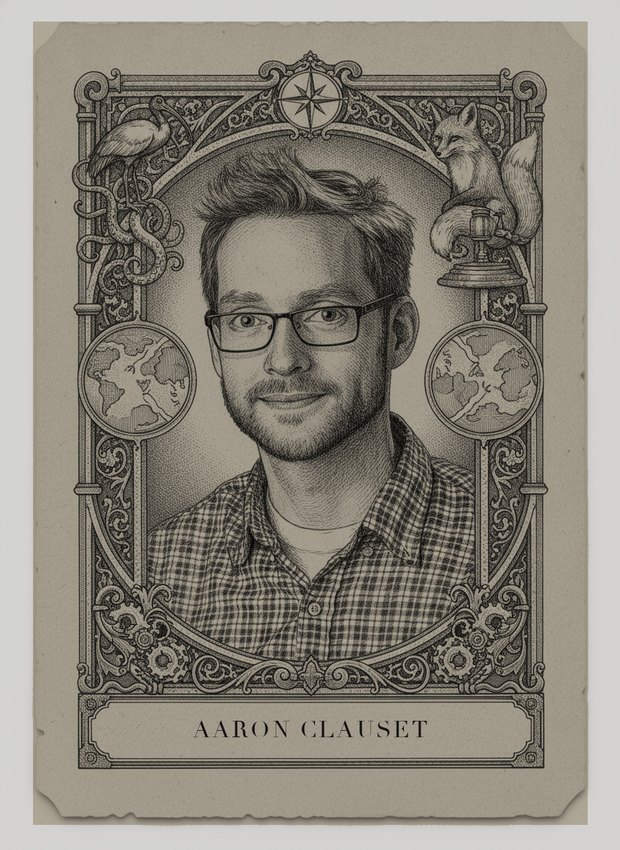
Clauset's work on network science and rigorously distinguishing genuine statistical structure from noise in large real-world datasets shares a thin methodological kinship with this problem's demand for honest, conservative diagnostics rather than overclaimed confidence. He has no background in stereo vision, planetary robotics, or spacecraft computing specifically, leaving essentially no direct technical connection to this problem's engineering. Nothing in his own network-science bibliography engages stereo vision or spacecraft computing directly. The historical record credits classical correlation-based stereo, not network science, for this deliverable. The gap here is essentially total. Every specific technique this problem requires belongs squarely to a different research community than his own. That is simply the historical fact of the matter.
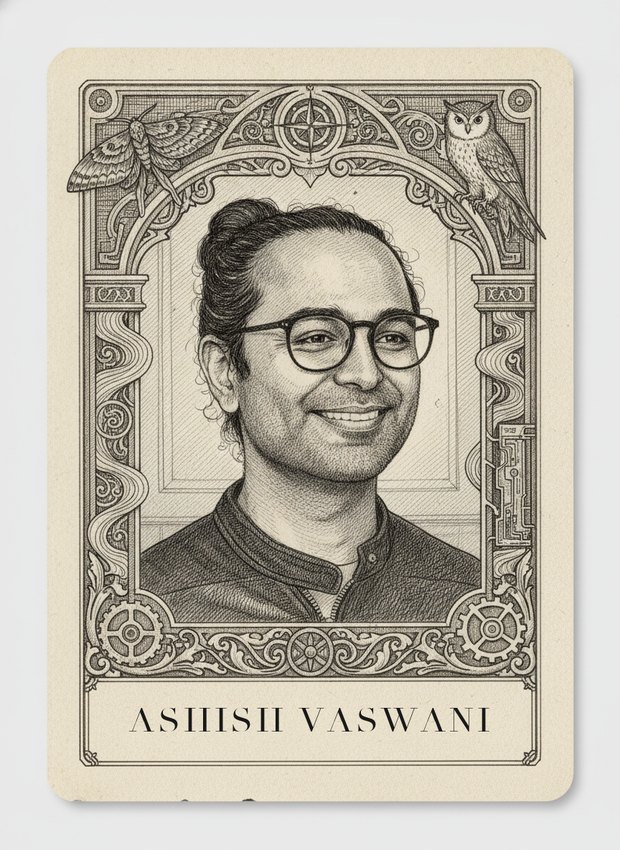
Vaswani's transformer architecture, introduced in 2017, addresses sequence modeling through self-attention over learned representations, with essentially no structural overlap with this problem's classical 2004 stereo correspondence task computed on radiation-hardened hardware. He never worked on stereo vision or spacecraft computing, and the problem predates his research area by well over a decade. Nothing in his own attention-based bibliography engages stereo vision or spacecraft computing directly. The historical record credits classical correlation-based stereo, not self-attention, for this deliverable. The gap here is essentially total between his career and this problem. Every specific technique this problem requires belongs squarely to a different research community than his own. That is simply the historical fact of the matter here.
Battle #156 · 8/10/2026, 11:41:00 AM · this result is deterministic: the same two personas on this problem always resolve the same way.